Posted on

Kin Insurance Review for Florida Homeowners

Florida homeowners face a very different insurance market than buyers in many other states. Storms, wind damage, roof claims, and rising repair costs all shape the way insurers price and manage risk. As a result, many people compare newer companies with long-established carriers when they shop for coverage. Kin Insurance has become a familiar name in Florida because it focuses on homeowners in areas that many insurers treat carefully. Moreover, Kin uses a digital-first model that appeals to buyers who want quick quotes and simple policy management. In this review, we will look at what Kin offers, how it approaches Florida weather risks, what policyholders may pay, how claims may feel in practice, and whether Kin makes sense for homeowners across the state.

What Kin Insurance Offers Florida Homeowners

Kin Insurance focuses on home coverage in markets where weather risk plays a major role, and Florida fits that profile very well. Unlike some traditional carriers, Kin often highlights its technology-driven process and direct-to-consumer experience. As a result, many shoppers first notice the company because getting a quote can feel faster and more streamlined online. Florida homeowners usually want protection for the dwelling itself, personal belongings, liability exposure, and loss of use after a covered event. In general, Kin aims to package those core protections into policies that fit homes in high-risk coastal and inland areas. Moreover, the company often markets itself as a practical option for owners who have had fewer choices in a tight insurance market.

Policy details can vary, so Florida homeowners should still read every form and endorsement carefully before buying. For example, coverage for water damage, screened enclosures, detached structures, and personal property limits may differ by policy. In addition, deductibles for hurricane and all other perils claims can have a major effect on out-of-pocket costs after a loss. Many buyers also need to check whether ordinance or law coverage is included at a useful level because Florida building codes can add major repair expenses. Likewise, roof settlement terms deserve close attention because roof age and roof type often affect both eligibility and claim payments. Therefore, a quote that looks competitive at first glance should always be reviewed line by line.

Kin's model may appeal to homeowners who prefer a modern buying experience and less paperwork. For instance, online tools can help customers request quotes, review policy information, and manage account details without many phone calls. At the same time, some buyers still want to speak with a person before they commit, especially when wind and roof issues complicate coverage. Fortunately, a strong digital process does not automatically mean weak support, but service quality can still vary by case. Because of that, Florida homeowners should compare Kin's communication style with their own preferences before choosing a carrier. Overall, Kin offers a mix of standard homeowners' protection and tech-based convenience that can suit many Florida households.

How Kin Handles Florida Storm and Wind Risks

Florida insurance decisions often begin with one question: how well does a company handle storm exposure? Because hurricanes, tropical storms, and severe convective weather lead to frequent claims, insurers need a clear underwriting and pricing strategy. Kin generally builds its business around catastrophe-prone regions, so Florida storm risk sits near the center of its model. As a result, the company does not treat wind as a rare side issue but as a core part of policy design and risk review. Home characteristics like roof age, roof shape, shutters, opening protection, and distance from the coast can all influence eligibility. Therefore, homeowners should expect detailed questions about the property before coverage is approved.

Wind mitigation can make a meaningful difference in Florida, and Kin likely considers those features during underwriting. For example, homes with hip roofs, reinforced roof decks, impact-resistant openings, or storm shutters may present a lower risk profile. In many cases, a wind mitigation inspection report helps support discounts or confirms construction details that matter to an insurer. Likewise, a four-point inspection may affect whether an older home qualifies for coverage at all. Since roof condition remains one of the biggest issues in Florida insurance, carriers often pay close attention to age, wear, and any signs of prior damage. Consequently, homeowners with newer roofs or documented upgrades may have a better shopping experience.

Deductibles matter just as much as premiums when storm season arrives. In Florida, hurricane deductibles usually differ from standard deductibles and are often based on a percentage of the dwelling limit. As a result, a homeowner with a lower annual premium could still face a high out-of-pocket cost after a hurricane claim. Kin policyholders should review how hurricane, wind, and all other perils deductibles apply before they finalize a policy. Additionally, homeowners should ask whether any exclusions, limitations, or separate rules affect roof damage, water intrusion, or cosmetic losses. Overall, Kin appears designed to operate in Florida's storm-heavy market, but buyers still need to understand exactly how their own risk is being priced and covered.

Kin Insurance Rates, Discounts, and Fees

Insurance rates in Florida rarely stay still for long, and Kin is part of that broader market reality. Because reinsurance costs, litigation trends, storm losses, and construction inflation all affect insurers, premiums can rise even when a homeowner has no claims. Kin may offer competitive pricing for some homes, especially when compared with limited alternatives in higher-risk ZIP codes. However, one homeowner may see a very different quote than a neighbor with a similar house. Factors such as roof age, prior claims, home value, elevation, proximity to water, and inspection results can quickly shift pricing. Therefore, no review of Kin rates is complete without noting how individualized Florida quotes can be.

Discounts can help reduce the total premium, though eligibility varies by property and policy. For example, wind mitigation credits often matter a great deal in Florida and may become one of the most important savings opportunities. In addition, protective devices such as central alarms, fire alarms, and water leak detection systems may help in some cases. Some homeowners may also benefit from paying in full, choosing paperless billing, or bundling if any related product options apply. Nevertheless, buyers should not focus solely on discounts, as a low premium can come with higher deductibles or tighter coverage terms. Instead, homeowners should compare total value across premium, deductible, and coverage details.

Fees and payment structure deserve careful attention before a policy starts. In some situations, policyholders may encounter installment fees, policy fees, or other charges that affect the total annual cost. Because of that, a quote should be reviewed beyond the headline premium shown on the first screen. Homeowners should also ask how cancellations, endorsements, mortgage billing, and policy changes may affect costs during the term. Likewise, any required inspections after binding could create future adjustments if the insurer finds issues that were not fully captured during the quote process. Overall, Kin may offer appealing rates for some Florida homes, but smart shoppers will always review the full financial picture.

Claims Experience for Florida Policyholders

A homeowners policy proves its value during a claim, so service after a loss matters as much as pricing. Florida policyholders often worry about how quickly insurers respond after hurricanes because large storms can overwhelm systems across the state. Kin promotes a digital experience, and that approach may help some customers report claims, upload documents, and track progress more easily. At the same time, severe weather often creates stressful situations where homeowners want clear human communication and frequent updates. Therefore, the claims experience depends not only on technology but also on responsiveness, adjuster quality, and follow-through. In practice, customer experiences can vary widely depending on the size of the event and the complexity of the damage.

For smaller claims, a digital-first insurer may offer convenience that some homeowners appreciate. For instance, submitting photos, receipts, and damage descriptions online can speed up the initial intake process. In addition, organized communication through a portal can help policyholders keep a record of what they sent and when. However, large Florida losses often involve roof damage, water intrusion, mold concerns, and questions about causation that require careful inspection. Because of those issues, even a smooth reporting process does not guarantee a fast resolution. As a result, homeowners should be prepared to document damage thoroughly and keep records of every conversation.

Claim outcomes often depend on policy wording as much as customer service. For example, deductibles, exclusions, depreciation rules, and roof loss settlement terms can all affect how much the insurer pays. In Florida, disputes sometimes arise over whether damage came from wind, wear and tear, prior deterioration, or water entering through pre-existing openings. Consequently, homeowners should read their policy before a storm rather than after one. Good preparation includes keeping inspection reports, roof photos, maintenance records, and an updated home inventory. Overall, Kin's claims process may feel efficient for many users, but Florida homeowners should enter any policy with realistic expectations and strong documentation habits.

Is Kin Insurance a Good Fit in Florida?

Kin can be a strong option for certain Florida homeowners, especially those who value a simple online experience and need coverage in a difficult market. Because some traditional insurers have tightened underwriting or reduced exposure in the state, newer or more specialized carriers often fill an important gap. Kin's focus on catastrophe-prone areas may make it more willing than some competitors to quote homes that require careful review. In addition, homeowners who are comfortable comparing forms and managing accounts online may like the company's modern setup. Still, a good fit depends on more than convenience alone. Buyers should weigh policy details, deductible structure, roof rules, and customer support preferences before deciding.

Homeowners with newer roofs, strong wind mitigation features, and updated inspections may find Kin particularly worth exploring. For those properties, underwriting may be smoother, and available discounts may improve the final price. On the other hand, owners of older homes may need to review eligibility carefully because Florida insurers often apply stricter standards to aging systems and roofs. Likewise, coastal homeowners should closely examine storm deductibles and post-loss cash flow, as hurricane claims can involve large out-of-pocket expenses. Since financial comfort matters during a stressful claim, the cheapest premium is not always the best answer. Therefore, shoppers should compare Kin with at least a few alternatives whenever possible.

A good insurance choice also depends on how a homeowner likes to interact with a company. Some people prefer online tools and quick digital updates. In contrast, others want frequent phone support and a more traditional agency relationship. Kin may suit the first group very well, especially if the quote is competitive and the coverage terms are clear. Meanwhile, homeowners who want highly personalized agent guidance may prefer to compare Kin with carriers that emphasize local agency support. In the end, Kin appears to be a credible option in Florida's challenging insurance environment, but each homeowner should judge it against the specific risks of the property. Overall, the best fit comes from balancing price, protection, usability, and confidence in the claims process.

My Kin Insurance Review Conclusion

Kin Insurance stands out in Florida because it was built with catastrophe-prone markets in mind. As a result, it often enters conversations when homeowners struggle to find attractive options from traditional carriers. The company offers a modern digital experience, and many buyers will find it convenient for shopping and account management. However, Florida homeowners should never choose a policy on convenience alone because wind risk, roof conditions, and deductibles carry major financial consequences.

Kin may offer solid value for homes with favorable inspection results, stronger construction features, and useful wind mitigation credits. Even so, premiums, fees, and coverage terms can vary sharply from one property to another, so careful comparison remains essential. Claims experience may feel efficient for some policyholders, yet outcomes still depend heavily on policy wording, documentation, and the size of the storm event. For that reason, homeowners should review exclusions, roof settlement terms, and hurricane deductibles before they bind coverage. Kin can be a good fit in Florida for buyers who want a tech-forward insurer and who understand exactly what they are purchasing. Ultimately, the smartest approach is to compare Kin's quote, service style, and protection details against those of other available options, then choose the policy that best matches the home's real risks.
Posted on

Different Types Of RV Insurance

Recreational vehicles open up a world of adventure and freedom. However, owning an RV also comes with responsibility. Different Types of RV Insurance help protect your vehicle, your investment, and your peace of mind. Exploring the different types of RV insurance allows you to make informed choices. Understanding each coverage option is essential, whether you use your RV for weekend getaways or as a full-time residence. Let's review the essential types of RV insurance and what each one offers.

Understanding the Basics of Different Types Of RV Insurance

RV insurance goes beyond standard automobile insurance in several important ways. Since recreational vehicles serve as both a mode of transportation and a temporary home, they require unique protection. When you purchase RV insurance, you receive coverage tailored for both the road and your living space.

Liability coverage is one of the most fundamental parts of any RV insurance policy. It helps pay for bodily injury and property damage to others if you cause an accident. Every state has its own minimum liability coverage requirements, so it is wise to check local laws before choosing a policy.

In addition to liability coverage, RV insurance typically protects against physical damage. Many policies cover theft, vandalism, fire, and even weather-related incidents. By understanding the basics, you lay a strong foundation for more specific and comprehensive coverage options.

Comprehensive and Collision RV Insurance Explained

Comprehensive coverage shields your RV from non-collision events. For example, it pays for damage caused by theft, fire, natural disasters, or falling objects. Many RV owners value comprehensive coverage because it fills in the gaps left by standard liability insurance.

Collision coverage, on the other hand, kicks in if your RV hits another vehicle or object. It can help repair or replace your RV after an accident, regardless of fault. Without collision protection, you may face steep repair bills from even minor accidents.

Both comprehensive and collision coverage typically include deductibles. You select the deductible amount, balancing monthly premiums and out-of-pocket costs if you file a claim. By combining both options, you create a safety net for many unexpected events on and off the road.

Personal Liability and Medical Payments Protection

Personal liability coverage in an RV insurance policy helps safeguard your financial future. If you are found responsible for injuring someone or damaging their property, liability coverage handles legal fees and settlements. This type of coverage becomes especially important when traveling to unfamiliar places where the risk of accidents may be higher.

Medical payments coverage covers medical expenses. If you or your passengers are injured in an accident, medical payments coverage can help cover related expenses. This feature provides peace of mind knowing you have help with bills for ambulance rides, hospital stays, and even minor treatments.

Including personal liability and medical payments protection in your policy strengthens your overall coverage. You not only protect your RV and belongings, but also support the well-being of both your passengers and others on the road. Reviewing this coverage ensures you are not left vulnerable during an emergency.

Specialized RV Insurance for Full-Time RVers

Full-time RVers live in their vehicles for most or all of the year. Because they use their RVs as primary residences, their insurance needs differ significantly from those of occasional travelers. Specialized full-timer insurance offers higher limits and additional features tailored for long-term living.

One of the main features of full-timer policies is personal liability coverage, similar to what homeowners' insurance provides. It covers you if someone gets injured while visiting your RV or if you accidentally damage property while parked. Full-time insurance may also include coverage for your personal belongings, protecting everything from electronics to kitchenware.

Full-time RV policies sometimes include loss-of-use coverage. If your RV becomes uninhabitable due to a covered event, loss-of-use coverage helps pay for temporary housing and related expenses. Transitioning to full-time RV living becomes much easier when you know your home on wheels is protected.

Optional Add-Ons and Customization for More Security

Standard RV insurance policies provide broad coverage, but optional add-ons can offer even greater protection. Roadside assistance is a popular choice, providing help with flat tires, battery jumps, or towing if your RV breaks down. Many travelers find comfort knowing help is just a phone call away, no matter where they roam.

Vacation liability coverage is another valuable add-on, especially if you park at campgrounds or RV parks. It pays for accidental injuries to visitors while your RV is parked and set up as a temporary residence. Many insurers also offer pet injury coverage, which helps pay for vet bills if your furry companion gets hurt during a covered accident.

Other customizations include total loss replacement, windshield coverage, and emergency expense coverage. These options let you build an insurance policy that matches your travel style and risk tolerance. When you tailor your coverage, you gain extra peace of mind and enjoy your adventures with fewer worries.

Conclusion

Choosing the right RV insurance involves understanding your unique needs and the variety of coverage options available. From basic liability to comprehensive and collision protection, each element of RV insurance serves a distinct purpose. Adding personal liability and medical payments protection strengthens your financial security, while full-time RV insurance addresses the needs of those living on the road year-round. Optional add-ons and customizations provide additional ways to tailor your policy, helping you enjoy your travels with greater confidence. As you consider your options, always compare coverage details and limits from different insurers. Do not forget to ask about discounts for safe driving, storage periods, or bundled policies. When you fully understand your coverage, you protect both your vehicle and your dreams of adventure.  

Posted on

How Comparing Insurance Quotes Online Can Help You Find Deals

Comparing Insurance Quotes Online

Shopping for insurance used to mean endless phone calls and visits to different offices. Now, people turn to the internet to make the process easier and more effective. Not only is shopping online faster, but it also helps you discover better insurance deals. With so many options just a click away, finding the right coverage at the right price is much simpler. As more companies compete online, customers benefit from more choices and lower rates. In addition, digital platforms offer valuable tools and information that were not available before. Because of these improvements, more shoppers are switching to online methods. In the following sections, you will learn how shopping online can give you an advantage when searching for insurance deals.

Comparing Quotes Online Simplifies Your Insurance Search

When you shop for insurance online, comparing quotes from different providers becomes much easier. Instead of calling several companies one by one, you can use comparison websites to view multiple offers at the same time. As a result, you save both time and effort while getting a clear picture of the market. In many cases, you can enter your information just once and then receive quotes from various insurers within minutes. With all the options in front of you, it becomes simple to spot the most competitive deals.

Furthermore, online comparison tools often display policy details in an organized way. You can quickly see which features are included, such as customer service ratings and coverage limits. Because all information is presented side by side, you can make more objective choices without missing essential details. For example, if you are interested in additional benefits or lower deductibles, you can immediately see which plans meet your needs. This transparency makes your search less stressful and more productive.

In addition, many comparison websites allow you to filter results based on your preferences. Whether you want the lowest price or the best coverage, you can adjust the search settings accordingly. Since you control the filters, you only see the policies that match your priorities. Ultimately, using online comparison tools helps you avoid confusion and gives you more confidence in your decision. By simplifying the search process, shopping online leads directly to better insurance deals.

Digital Tools Make Policy Customization Easier Than Ever

Digital technology has transformed the way people customize insurance policies. When you shop online, most platforms offer interactive tools that let you adjust your coverage options. For example, you can select the amount of coverage, add extra features, or change your deductible to see how each adjustment affects your premium. Because you get instant feedback, you can experiment with different combinations until you find the perfect balance between coverage and cost.

Moreover, many websites provide helpful calculators that estimate your potential savings or out-of-pocket expenses. If you're unsure about the coverage you need, these tools can help by asking a few simple questions. As you answer, the platform suggests options that fit your unique situation. Since these calculators use your specific details, the results feel personalized to your needs. You no longer need to rely on guesswork or accept a one-size-fits-all policy.

Additionally, digital platforms often display educational resources alongside customization features. As you make changes to your policy, you can read explanations of each term or coverage type. When you understand what you are choosing, you make smarter decisions for yourself and your family. By using online customization tools, you gain more control over your insurance plan and discover deals that fit your lifestyle. The ability to tailor your policy with just a few clicks makes shopping online more rewarding and effective than ever.

Online Reviews Offer Insight Into Real Customer Experiences

One of the most significant advantages of shopping for insurance online is access to customer reviews. Before digital platforms, it was difficult to understand how an insurer treated its clients or handled claims. Now, you can read honest feedback from people who have purchased the same policies you are considering. When you see both positive comments and complaints, you get a clearer idea of what to expect from each company.

For instance, many websites display ratings and detailed reviews for every insurance provider. As you scroll through these opinions, you can identify patterns and spot red flags. If several people mention slow claim processing, you may want to look elsewhere. Conversely, if customers praise a company's helpful service, it might be worth paying a little extra for peace of mind. Since you can read real stories, you avoid surprises after you purchase your coverage.

In addition to individual reviews, some platforms offer expert analysis and side-by-side comparisons. These resources break down each company's strengths and weaknesses based on data and customer experiences. When you combine professional advice with user feedback, you get a complete picture of each insurer's reputation. Because you are better informed, you can confidently choose a provider that delivers both value and quality service. Online reviews play a crucial role in helping shoppers find better insurance deals without regret.

Exclusive Web Discounts Help Lower Your Insurance Premiums

Shopping for insurance online often leads to special discounts that are not available anywhere else. Many insurers reward customers for using their websites by offering exclusive web-only rates or promotional deals. Because online transactions save companies time and money, they can pass those savings on to you in the form of lower premiums or bonus offers.

Furthermore, online platforms frequently advertise limited-time deals that encourage you to act quickly. These discounts might include a percentage off your first premium, free add-ons, or loyalty rewards if you manage your policy online. Since these offers are easy to find and compare, you can take advantage of them before they expire. In many cases, simply applying online or signing up for automatic payments unlocks even more savings.

Additionally, some comparison websites partner with insurers to provide unique bundle deals. If you purchase multiple policies at once, such as home and auto insurance, you can receive a bigger discount than if you bought them separately. By exploring these exclusive online opportunities, you maximize your chances of securing the best possible rate. Shopping online not only expands your choices, but it also puts money back in your pocket.

Greater Flexibility Leads to Smarter, More Informed Choices

Online insurance shopping gives you the freedom to research and make decisions at your own pace. Unlike traditional agents who may pressure you to choose quickly, digital platforms let you compare and study options whenever you want. Because there is no rush, you can thoroughly evaluate your choices and gather information from multiple sources. When you feel ready, you can move forward with confidence.

Additionally, websites often offer live chat support or virtual assistants. If you have any questions or concerns, you can get immediate answers without setting up an appointment. Since help is always available, you never feel lost or overwhelmed during the process. If you want to revisit your options later, you can save your progress and return when it is convenient for you.

Moreover, the flexibility of online shopping allows you to involve family or friends in your decision. You can easily share quotes, reviews, and policy details with others before making a final choice. When you collaborate, you benefit from different perspectives and avoid missing important information. Greater flexibility means you are more likely to choose the best policy for your needs, leading to more intelligent and more satisfying results.

Conclusion

In conclusion, shopping for insurance online offers several unique advantages that help you find better deals. When you compare quotes online, you simplify the search process and expose yourself to a broader range of choices. Digital tools make it easier to customize policies to fit your exact needs, while online reviews provide real insight into other customers' experiences. Exclusive web discounts can significantly lower your premiums and make your insurance more affordable. The greater flexibility of online shopping means you have more control and can make decisions without pressure. As technology continues to improve, more people will discover the convenience and savings found through digital platforms. You no longer have to settle for average policies or overpay for coverage you do not need. By using the resources available online, you empower yourself to make smarter, more informed decisions. Every aspect of the process becomes quicker, more precise, and more rewarding. For these reasons, shopping for insurance online is one of the best ways to find quality coverage at the best possible price.

Posted on

Understanding Why Ford Mustangs Cost More to Insure Today

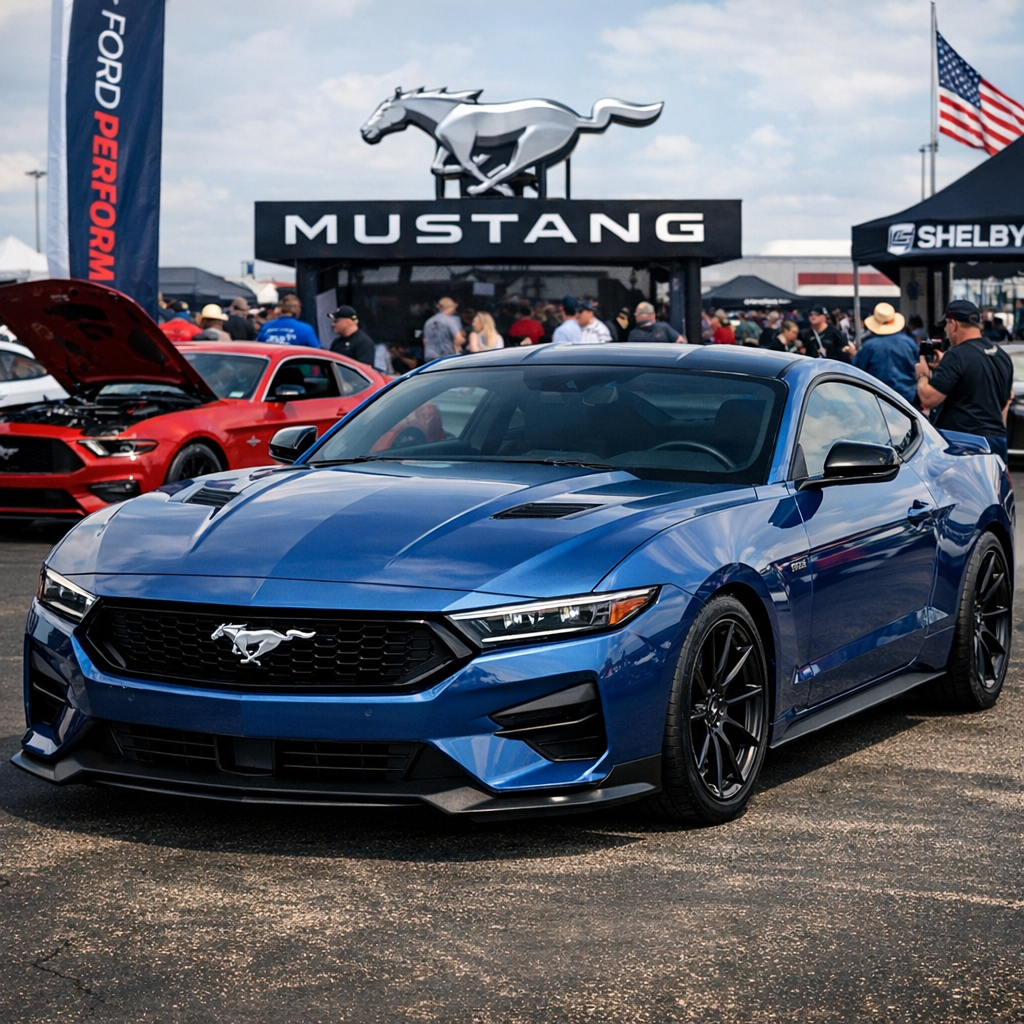
2028 Ford Mustang

When you think of an American sports car, the Ford Mustang often comes to mind. With its rich heritage and powerful engine, the Mustang attracts both car enthusiasts and everyday drivers. However, many owners notice that insuring a Mustang often costs much more than insuring an average sedan. Drivers wonder why they must pay such high premiums even if they drive cautiously. Several factors have contributed to increased insurance costs for Mustangs in 2024. Understanding these reasons can help current and future owners make better decisions. In the following article, you will learn why Ford Mustangs are more expensive to insure today. Every paragraph breaks down a different factor, making it easier for everyone to understand.

The Rising Cost of Ford Mustang Insurance in 2024

Insurance prices for Ford Mustangs have increased significantly in 2024. Insurers across the country have raised their rates for muscle cars, especially the Mustang. Many owners have reported higher renewal notices even if they have not filed any recent claims. Economic inflation has affected nearly every industry, and auto insurance is no exception. As repair and labor costs rise, insurance companies must increase premiums to cover potential expenses.

Competition among insurance providers does not always guarantee lower prices for Mustang owners. Although some companies still offer discounts for good driving records, the base premium for a Mustang remains higher than that of most other vehicles. Year after year, underwriters re-evaluate their risk assessments using recent data. Often, they find that Mustangs are involved in costly accidents or claims, prompting them to raise premiums further. For this reason, even drivers with clean records face higher rates.

Policyholders may also notice changes in policy terms or coverage limits. Many insurers are tightening their requirements for high-powered sports cars like the Mustang. Lower deductibles now come with noticeably higher monthly premiums. As a result, Mustang owners must weigh their coverage needs against what they can afford. Insurance companies will continue to adjust their rates as long as Mustangs remain a costly risk to cover.

Examining the High-Powered Performance Factor

A significant reason for higher insurance costs is the Mustang's powerful engine options. Insurance companies always examine a vehicle's horsepower before setting rates. More power under the hood usually translates to greater risk for insurers. High-performance cars like the Mustang tend to accelerate faster and reach higher speeds, which often leads to severe accidents and expensive claims.

Young drivers, in particular, are often drawn to Mustangs because of their reputation for speed and style. Statistically, younger drivers are involved in more accidents, increasing the average claim cost for Mustangs. Because of this trend, insurers charge higher premiums for anyone driving a Mustang, not just younger owners. Even experienced drivers face penalties simply because their car can go faster and potentially cause more damage during collisions.

Insurance companies also review accident statistics by model and trim. The Ford Mustang GT and Shelby models, for example, have more claims compared to less powerful versions. This pattern gives insurance providers reason to raise premiums across all Mustang trims. Owners should consider engine size and performance features when shopping for a Mustang, as these factors affect both the purchase price and ongoing insurance costs.

Safety Ratings and Repair Costs Impact Premiums

Safety features and crash-test ratings play a significant role in insurance costs. Although newer Mustangs come equipped with advanced safety technology, their overall crash ratings sometimes fall behind those of family sedans or SUVs. Insurance providers often view Mustangs as riskier because they can suffer more damage in collisions. Even with features like stability control and multiple airbags, Mustangs may not fare as well in frontal or side impacts compared to larger vehicles.

Repair costs for Mustangs are also higher, adding to the premium. Specialized parts and labor for sports cars cost more than parts for regular sedans. When a Mustang is involved in an accident, even minor repairs can require expensive components or skilled technicians. Insurance companies must consider these potential expenses when setting their premiums. As repair technology advances, the cost gap between sports cars and standard vehicles continues to widen.

In addition, Mustang bodywork and paint jobs often require custom work. Many Mustang owners want to restore their cars to showroom condition after an accident, which can further increase claim amounts. Insurers anticipate these preferences and adjust their rates accordingly. Owners who choose high-end trims or aftermarket modifications may pay even more for coverage. For all these reasons, safety and repair costs significantly influence how much it costs to insure a Mustang.

Theft Rates and Mustang Popularity Among Thieves

Ford Mustangs have always been a popular target for car thieves. Their iconic style and high resale value make them attractive to criminals. Insurance companies always check theft statistics when determining rates for any car model. If a particular vehicle is frequently stolen, the premiums will reflect that risk. In recent years, thefts involving Mustangs have remained steady or even increased in some cities.

Thieves often seek out Mustangs because their parts are easy to sell and in high demand. Performance parts, custom wheels, and unique trim pieces can fetch high prices on the black market. Even older Mustangs are sometimes stolen for restoration projects or resale as classic cars. As a result, insurance companies must pay out more claims for stolen vehicles or recovered vehicles with significant damage.

Many Mustang owners install aftermarket security systems to lower their insurance costs. Insurers may offer some discounts for these features, but the base rate remains high due to the car's overall risk profile. Owners who live in areas with high crime rates may see even steeper increases in their insurance premiums. The popularity and visibility of the Mustang continue to make it a tempting target, keeping insurance rates higher than those for less desirable vehicles.

How Driver Profiles and Usage Affect Insurance Costs

The profile of a typical Mustang driver also affects insurance pricing. Insurance companies look at each policyholder's age, gender, and driving record. Mustang owners are often younger and may have less driving experience, which increases the statistical risk of accidents. Even older drivers may face higher rates just because they drive a high-performance vehicle.

How the car is used also matters a great deal. Mustangs are often driven for pleasure rather than daily commuting. Pleasure use usually involves higher speeds or weekend trips, which can increase the chance of accidents. Insurance companies factor in annual mileage and the nature of a driver's trips. When a car is used less frequently, some companies offer discounts, but the Mustang's risk level often overrides these savings.

Driving history also plays a crucial role. A clean record can help lower costs, but any history of speeding or previous claims will quickly raise premiums. In addition, young drivers or those with little credit history may pay more for the same coverage. Insurers use all this personal and behavioral data to build a complete risk profile for each Mustang owner. The unique combination of vehicle type and driver data ensures that insurance for Mustangs remains costly for many people.

Conclusion

When you look at all the factors, it becomes clear why Ford Mustangs cost so much to insure. The car's high-powered engines and performance features automatically put it in a higher risk category for most insurers. Add in higher repair costs and safety ratings that are not always as strong as those of family cars, and the premiums continue to climb. Furthermore, Mustangs have long been popular among car thieves, adding another layer of risk for insurance providers. Driver profiles also play a significant role, since younger or less-experienced drivers often choose the Mustang for its appeal. Usage patterns, such as pleasure driving or weekend trips, increase the likelihood of claims, pushing costs even higher.

Insurers base their decisions on real-world data showing that Mustangs are involved in more expensive incidents than many other cars. Owners can try to lower their costs with security systems or good driving records, but the base rate remains elevated due to Mustang's overall risk profile. As the auto industry evolves and insurance models change, Mustang owners should stay informed and shop around for the best policies. Ultimately, understanding why Mustangs cost more to insure can help drivers make more intelligent choices and budget more effectively for their passion. Whether you are a current owner or considering buying a Mustang, knowing all these factors can help you manage your expenses and enjoy your ride with greater peace of mind.